Everyone has become more knowledgeable about the spread of viruses and the diseases they cause. Just like the COVID virus, we have to understand the life cycle of each virus that cause diseases in greenhouse crops. Effective virus disease control requires controlling or shutting down three important links; the source of the virus, the vector [...]
The nutrient content of water soluble hydroponic fertilizers is not always clearly indicated on packaging. It is fine that fertilizer companies take control out of our hands by formulating nutrient solutions for us, but there are times that we want to take control ourselves. That usually happens when things are not working out and yields [...]

Well planned spray programs are more effective than unplanned, random chemical applications. Have you ever considered spraying when there is no pests or diseases? Poorly planned spray programs or not following a spray program has the same effect. It costs a lot of money with no advantage other than the chemical supplier. Even nature loses, [...]
The disease is found in conditions if high humidity, especially in poor ventilated greenhouses or where the ventilation is not controlled properly. Optimum temperature for disease development is between 24-27°C (75.2 - 80.6°F)Bradbury, J.F. 1967. Pseudomonas lachrymans. Description of Pathogenic Fungi and Bacteria, No 124. Commonwealth Mycological Institute, Kew, England. It is caused by Pseudomonas syringae pv. lachrymans [...]
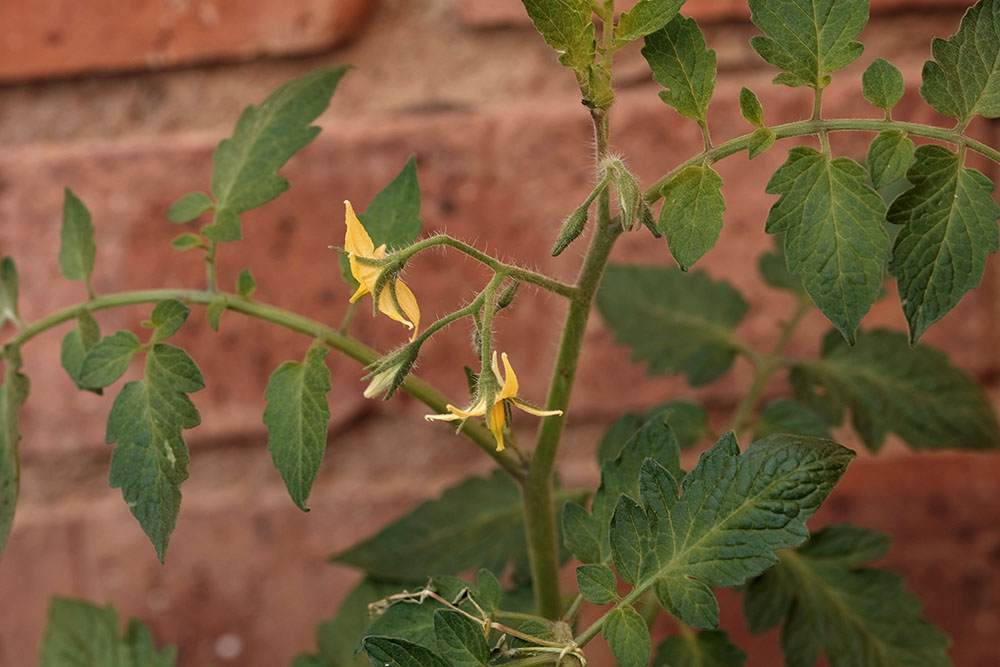
Changing the length of the dark and light periods is another way of growth control. It is an important aspect of greenhouse culture, especially flowers. Photoperiodic response is a plant's reaction to changes in daylight length or night periods. It influences flowering, bulbing, tuber formation, elongation, leaf abscission, dormancy, bud break, seed germination and sex expression. [...]
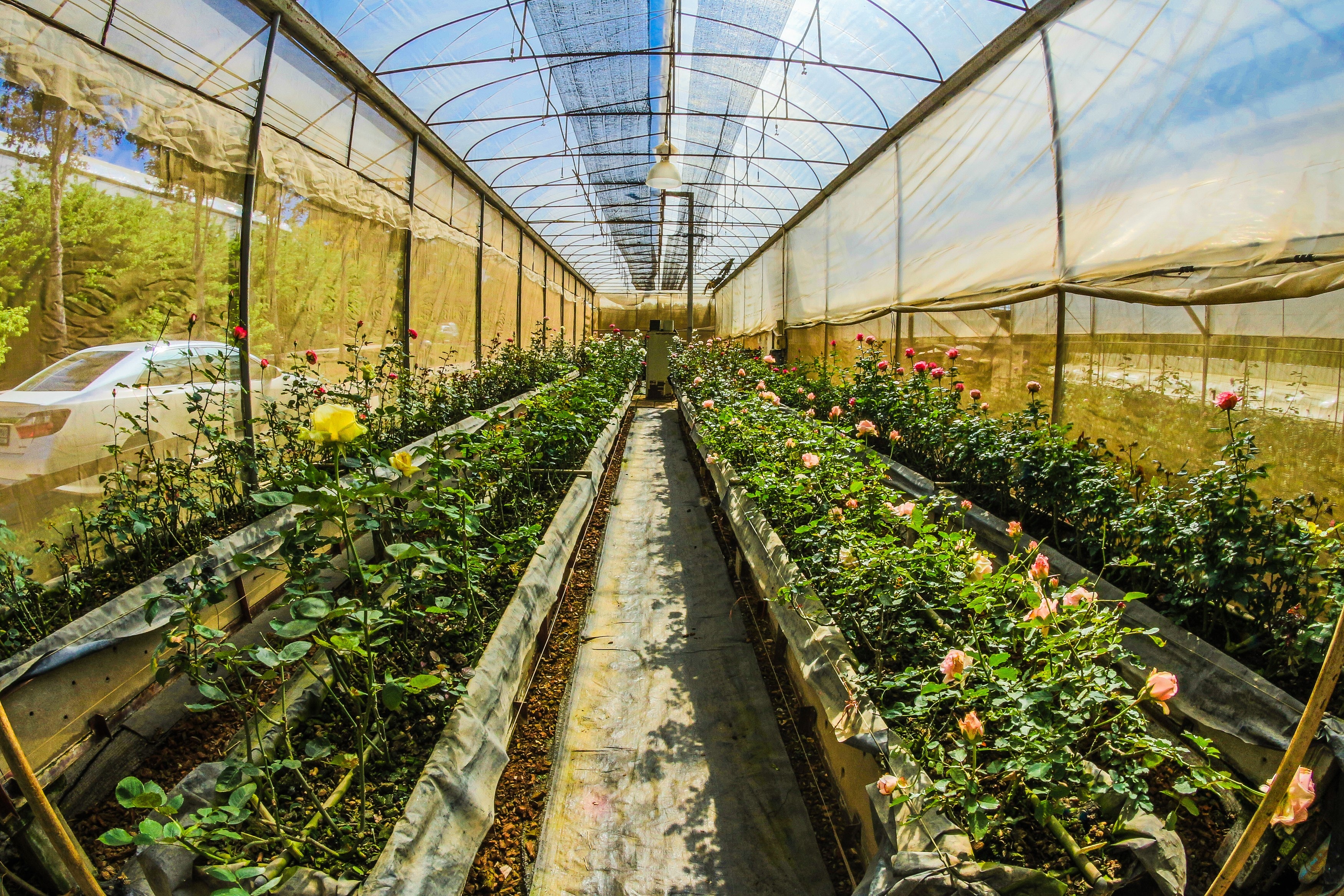
High intensity radiation is more common in equatorial regions than cold weather climates. This is because of the angle the sun rays hit the soil surface. It does not mean that the intensity of radiation is lower in South Africa than Nigeria per se. It also depends on the angle and direction of the land, [...]

Understanding the effect of radiation on plants will help identify weaknesses in your greenhouse. The effect of radiation can be divided into three parts; its effect on flowering, on photosynthesis and the temperature and water loss. High light intensity is correlated with temperature and water loss. Flowering is determined by illumination levels less than 10.9 [...]

Resistance to chemicals is due to the intense selection pressure exerted on the population that is controlled. There is only a limited number of chemicals that are effective to control pests and diseases. This causes a high intensity selection pressure with limited products with the result that evolution is set in overdrive mode. Traits resistant [...]
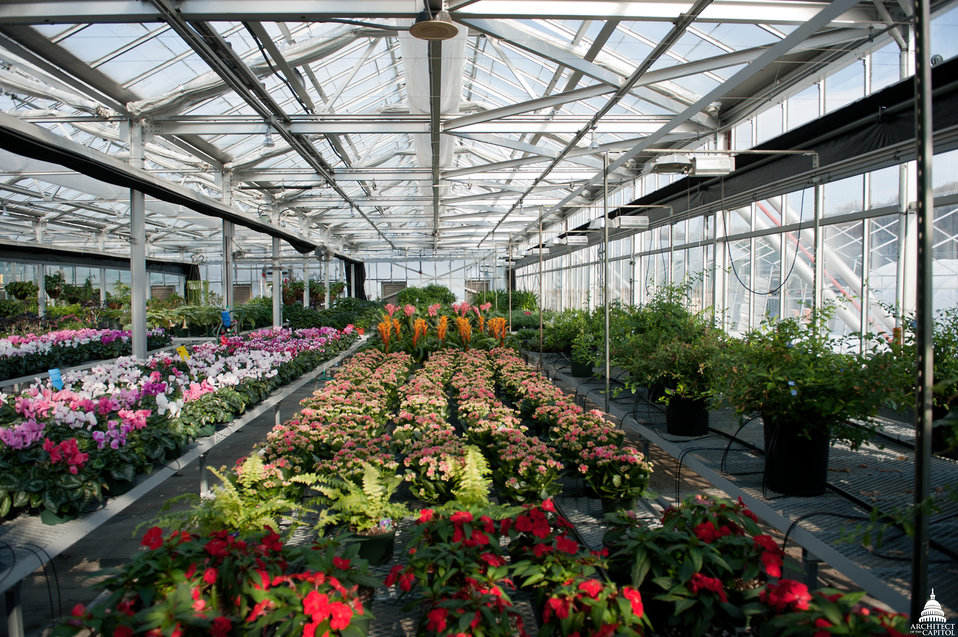
The protected greenhouse environment The greenhouse environment is designed to allow plants to perform close to their genetic optimum so that the grower achieves maximum profit. A greenhouse is designed so that the plant converts sunlight, water and CO2 and minerals into marketable yield. Thus the protected greenhouse environment creates a "cozy" climate inside a [...]
