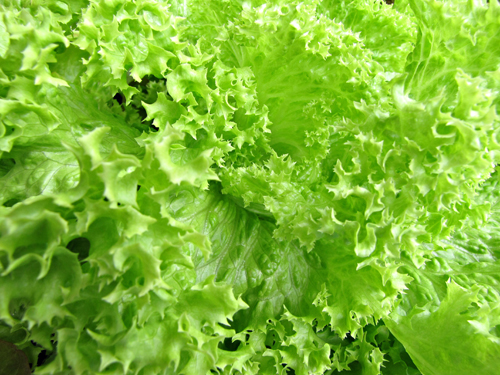
It is often quite difficult to identify a deficiency or toxicity symptom in the field because they never really occur as a single element deficiency or toxicity. Each of the elements are inter dependent and they influence each other within certain ratio’s. One would find for instance that phosphorus toxicity, is expressed as either a [...]
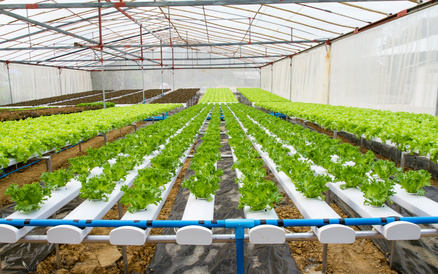
Lettuce was cultivated in 4500 B.C. in the Mediterranean basin. Only in 1543 was the first know head lettuce produced in Europe. Lettuce was first cultivated for the edible oils that the leaves produce. Only later, in Egypt, was lettuce leaves eaten raw. There are four lettuce types cultivated for the fresh market, these are: [...]
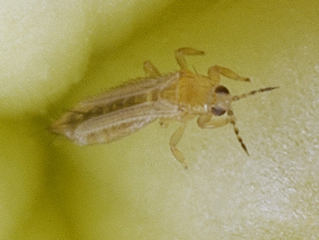
Description Thrips tabaci and western flower thrips Frankliniella occidentalis are sap feeders. Common thrips as in the main image; Order: Thysanoptera, Family: Thripidae. They are extremely small and are difficult to spot, even by experts. They are experts in blending in and are shorter than 1.5mm. There are about 4500 species of thrips. Both winged and [...]
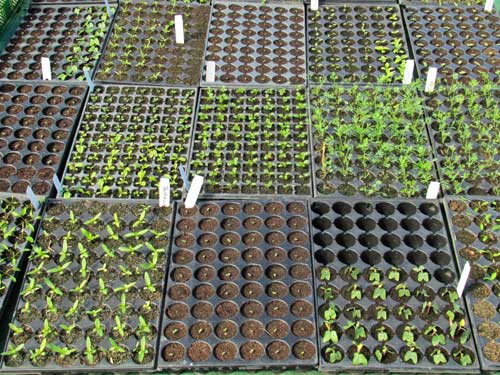
Nutrient conditioning is the process of managing the nutrient content of seedlings in the nursery for optimal growth when they are transplanted. This sounds easy, but good growers achieve higher yields with the same variety because they understand how to manage it correctly. We all know that plants need adequate levels of nitrogen, phosphorus, potassium, [...]

Light and temperature are two crucial factors in greenhouse hydroponics. Plants use a very small range (only about 5% of visible light) in the total spectrum that is found in the atmosphere. The rest of the incoming radiation is not used in photosynthesis or for any chemical growth process. The range that a plant uses [...]
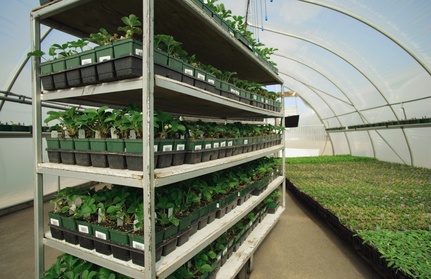
This is all about getting higher yields early in the season when you can get higher prices. It's about going into the market with a bigger bang and reaping those higher prices. It does not apply during the growing season, because there are other economic factors involved. Remember, bigger plugs means less space in the [...]
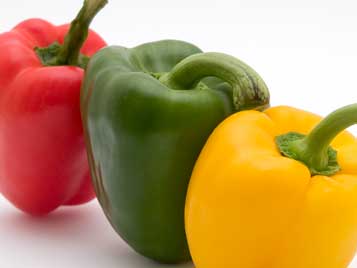
If you have grown peppers with other crops, you might have noticed that green peppers grow slower than most others. Even the seedlings take about 2 weeks longer before they can be transplanted. Actually, green peppers grow just as fast, but the perceived vegetative growth is much slower. Green peppers are not less productive than [...]

There is a hype about organically grown vegetables or any other foodstuff for that matter. Here is the irony in it all, the people that can afford organically grown food, usually don't need more nutrient, or better nutrients in their diet because they are already eating well. So why on earth are people so obsessed [...]
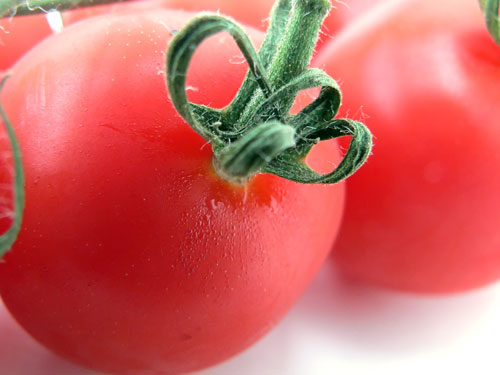
The nutritional value of vegetables is easily answered by the popular media, just slam a couple of very average numbers next to a couple of crops and the consumer/reader is satisfied. It is actually not so easy to answer in a single digit. Everyone wants a single value digit because it is easy to understand [...]
