Skip to content
  • General
  • Systems
    • Greenhouses
      • Ventilation
      • Cooling
    • Open systems
    • Closed systems
  • Nutrients
    • Fertilizers
    • Macro nutrients
    • Micro nutrients
    • pH
    • Salt content
  • Crops
    • Seedlings
    • Tomatoes
    • Sweet peppers
    • Cucumbers
    • Green beans
    • Lettuce
    • Spinach
  • Crop protection
    • Diseases
    • Pests
    • Physiological disorders
  • Article list
  • About
    • Privacy Policy
    • Terms of use
  • Zippering – Physiological disorder of tomato and pepper fruit

    By Antonius Lecuona|Published On: August 4, 2013|Last Updated: August 4, 2013|Categories: Crops, Physiological disorders|Tags: Physiological disorders|

    Severe zippering with secondary scarring of the tomato skin. Zippering symptoms Zippering are thin scars running from the top of the shoulder of the fruit down the length to the blossom end. These longitudinal scars have small transverse scars along it, which resemble a “zip” (thus the name). More than one of these [...]

    Read more …
  • Tomato types available for the commercial grower

    By Antonius Lecuona|Published On: August 3, 2013|Last Updated: August 3, 2013|Categories: Crops, Tomatoes|Tags: Tomatoes|

    Tomatoes originated in tropical America. Tomatoes were first exported from Peru to Italy, then to Northern Europe and finally to the USA by 1781. In 1812 tomatoes were a common sight on markets and in 1817 the first seed was offered for sale in a seed catalogue. After 1817, various tomato types were developed to [...]

    Read more …
  • Blossom drop – A sure sign of stress in hydroponic greenhouses

    By Antonius Lecuona|Published On: August 3, 2013|Last Updated: August 3, 2013|Categories: Crops, Physiological disorders|Tags: Physiological disorders|

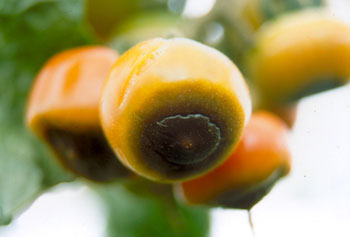
    Blossom drop Symptoms Blossom drop (flower buds abscise) occurs prior to anthesis under stress conditions. The early indications of blossom drop are the yellowing of the swollen area which joins the flower to its stem. After the flower has fallen or abscised, a small dried out stub is left over. Which is quite disheartening since there [...]
    Read more …
  • blossom-end-rot-hydroponic-vegetable-fruit

    Blossom-end-rot – most common physiological disorder in vegetable fruit

    By Antonius Lecuona|Published On: August 3, 2013|Last Updated: January 13, 2019|Categories: Physiological disorders|Tags: BER|

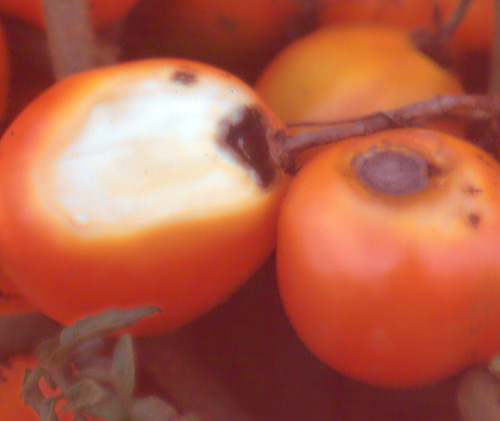
    Blossom-end-rot (BER) Symptoms This physiological disorder looks like a typical fruit disease. The symptoms generally occur at the blossom-end of the fruit and begins with a light tan, water soaked lesions, which when enlarged, turn black and leathery. As in tomatoes and watermelons, blossom-end-rot usually appears when the fruit is about half-grown The affected areas first [...]
    Read more …
  • sunscald tomatoes greenhouse

    Sunscald or sun burn on vegetable fruit – sun damage that can be prevented

    By Antonius Lecuona|Published On: August 3, 2013|Last Updated: August 30, 2013|Categories: Physiological disorders|Tags: Physiological disorders|

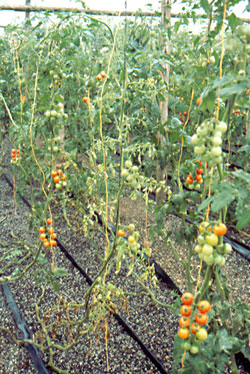
    Sunscald or sunburn causes Sunscald may appear on foliage and fruits. The disorder is caused when the temperature of the fruit exceeds 40°C. An imbalance of various chemicals takes place which causes the destruction of the tissue. Heat injury expresses itself through a narrowing of the base of the stem, at the soil line. However, with [...]
    Read more …
  • Thin spindly sick pale plants – it’s causes and solutions

    By Antonius Lecuona|Published On: July 31, 2013|Last Updated: August 3, 2013|Categories: Crops, Physiological disorders|Tags: Physiological disorders|

    At some stage a grower will see thin spindly pale plants growing somewhere in the greenhouse. Although not a physiological disorder of fruit, it is a disorder of the plant as a whole. Quite often plants grow to become long and stretched out. The leaves may even be smaller than usual and the colour of [...]
    Read more …
  • green-pepper-fruit

    Small fruit in crops grown in greenhouses is a sign of stress

    By Antonius Lecuona|Published On: July 31, 2013|Last Updated: August 3, 2013|Categories: Crops, Physiological disorders|Tags: fruit, Peppers, Physiological disorders|

    Getting small fruit (peppers or tomatoes) is better than getting no fruit at all. However it can be frustrating when growing to achieve 140 g fruit and harvesting 60-80 g instead. Small pepper fruit can be the result of various factors such as: Poor pollination: the temperature may be too high during the critical period [...]

    Read more …
  • Common pest and disease control for peppers

    By Antonius Lecuona|Published On: July 31, 2013|Last Updated: August 3, 2013|Categories: Crop protection, Crops, Diseases, Pests, Sweet peppers|Tags: Diseases, Peppers, Pests|

    Good pest and disease control in hydroponic systems is crucial for a successful hydroponic farm. Soon after the plants have been transplanted, pest and diseases will be attracted to the growth area. It is important to control these pests and diseases in order to harvest a good yield. The registered chemicals that can be used [...]

    Read more …
  • Fertigation of hydroponic peppers

    By Antonius Lecuona|Published On: July 28, 2013|Last Updated: August 3, 2013|Categories: Crops, Fertilizers, Sweet peppers|Tags: Fertilizers, Peppers|

    Fertigation of peppers is sometimes more of an art than science since plant requirements change as the weather/climate change. Learn how to read your plants and identify good and bad stress symptoms. Peppers are sensitive to water stress (to little water) and to water logging (over watering). Any of these two conditions will reduce plant [...]

    Read more …
Previous91011Next
Copyright © 2013 - 2024 | Commercial Hydroponic Farming
FacebookX
Page load link
We use cookies to ensure that we give you the best experience on our website. If you continue to use this site we will assume that you are happy with it. Please read our Privacy Policy. We will remind you again in a months time.
Go to Top