Botrytis rot (Botrytis cinerea) Botrytis rot (Botrytis cinerea), also known as grey mould, is caused by the fungus Botrytis cinerea, and has become on the most serious diseases of tomato foliage and fruit. The fungus becomes established on dead leaves or stems at the base of the plant. A heavy grey growth of the fungus [...]
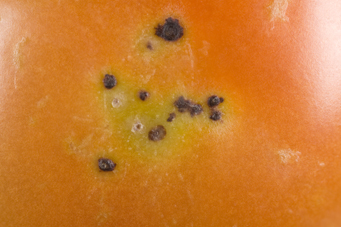
Bacterial speck, also known as Xanthomonas campestris pv. vesicatoria, Pseudomonas syringae pv. Tomato. Bacterial speck and spot are very difficult to distinguish from each other. However the control strategies are the same and both diseases attack the above ground organs of the plant. Bacterial speck symptoms Small water soaked lesions which develop during periods of rain, [...]
Never use chemical that are not registered by your local Department of Agriculture. A range of chemicals that can be used on cucumbers are provided below and must be followed to control most insects and diseases found in hydroponic production systems (in South Africa). Please check your local Agricultural extension officer for a list of [...]
Establishing the cucumber crop Cucumbers are tropical plants. In order to grow optimally a tropical environment should be created. This implies that temperatures should not exceed 32 °C and should also not fall below 16 °C. These are optimum values and are not always obtainable. Cucumber seedlings are sensitive to low temperatures. The ideal germination [...]
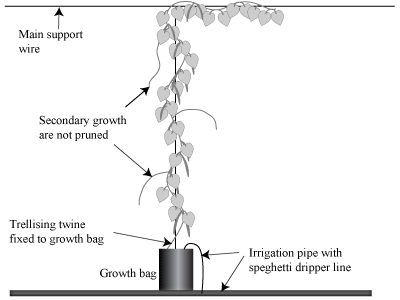
Trellising green beans is actually quite easy compared to tomatoes and cucumbers. One thing is sure, you have to trellis the plant. Although it is labour intensive and must be done weekly, the advantages are far greater than the disadvantages. Trellising green beans plants have the following advantages: Increases yield per square meter Reduces the [...]
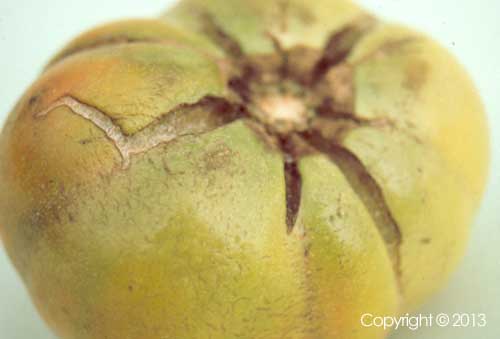
Why Tomatoes Crack Just Before Harvest – And What You Can Do About It There's nothing quite as disappointing as walking through a tomato field and spotting perfectly good fruit split wide open. The crop looked excellent a few days ago, harvest was just around the corner, and then a heavy rainstorm rolls through. Suddenly, [...]
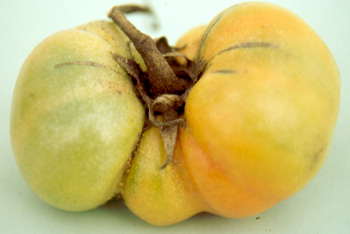
Cat-face tomato fruit Symptoms Fruits have a long scar at the blossom end that extends inwards and renders the fruit unmarketable and disfigured (abnormal). There are bands of scar tissue between swellings and cavities that extend deep into the fruit body. Most of these cat-face fruit ripen unevenly. Due to the scar tissue, cat-face fruit cannot [...]
Hollow fruit description Hollow fruit, also called puffy fruit or boxy fruit are angular in shape instead of round, however one should be careful since some tomato fruit are genetically more hollow or angular than other. The first signs inside the fruit are the lack of “gel” surrounding the seed, leaving a gap between the placental [...]
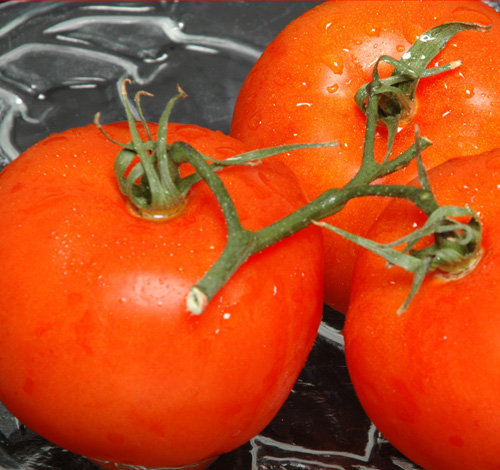
Tomato fertigation is a complex subject in hydroponics. It is climate sensitive and everybody has an opinion of what works. The point is, tomatoes are sensitive to water stress (too little water) and to water logging (over watering). They are not as sensitive as peppers or cucumbers. Water stress or water logging will reduce plant [...]
