
Micro-elements – It’s role in plant growth
Micro-elements are quite often referred to as the “trace” elements since they are used in such minute quantities in the nutrient solution. Micro-elements tend to be catalysts rather than fixed in any structure. They tend to be mobile in the plant and the difference between toxic levels and deficient levels is quite narrow. Although micro-elements are found in low concentrations in plants, they play an important role in plant metabolism.
Iron (Fe):
- Oxygen carrier and enzyme catalyst
- Required during chlorophyll production and protein synthesis
- Plays a role in respiration; Co-factor in several enzymes
- Most immobile nutrient in plants.
Boron (B):
- Plays a role in meristimatic tissue of plants
- Immobile element in plants
- Enhances the uptake cations and limits the uptake of anions
- Enhances the uptake of Ca especially
- Influences carbohydrate and nitrogen metabolisms.
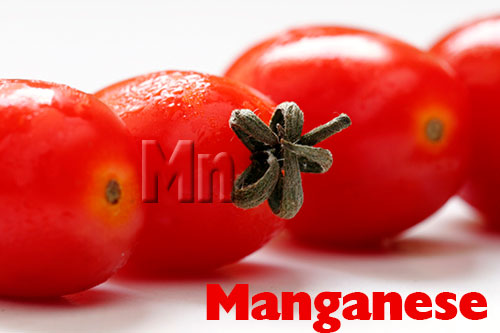
Manganese (Mn):
- Mainly a catalyst in various processes
- Plays a role in carbohydrate metabolism and chlorophyll formation
- Helps with root aeration
- Accelerates plant growth
Zinc (Zn):
- Activity is linked to amount of light available
- It is a regulating catalyst and enzyme actuator
- Forms part of the growth hormone indoleacetic acid
- Helps with the removal of carbon dioxide
- Plays a critical role in the oxidation reduction processes in the cell
Copper (Cu):
- Plays an important part in plant metabolism
- Help with the synthesis of chlorophyll
- Helps with the activity of enzymes
- Is available as en electron carrier
- Plays an important part in the disease resistance of plants
Molybdenum (Mo)
- Has a close relationship with nitrogen
- Plays a part in carbohydrate processes
- Involved as an enzyme co-coordinating catalyst
- Mo is involved in converting nitrates to ammonia in the plant
Related Posts


Share This Story, Choose Your Platform!
Fertilizers
Nutrients
Irrigation
closed systems
Temperature
Seedlings
Tanks
Cooling
Physiological disorders
Greenhouses
Peppers
Insects
Pruning/Trellising
Fungus
General
Designs
Open systems
Filters
Light
Ventilation
Micro-elements
pH
Humidity
Quality
Structures
Roots
Stock solutions
Pumps
Flow-rate
fruit
Gullies
Drippers
radiation
Heating
Calcium
Deficiency
Toxicity
Organics
Bacterial wilt
Bacterial canker
Yield
Bacteria
Powdery mildew
Early blight
Late blight


What affects water quality in hydroponics?
The main factors affecting water quality in hydroponics are chemical, biological, and physical/environmental conditions. Maintaining optimal water quality is essential [...]

Why Water Quality Matters More Than You Think in Hydroponics
What is the ideal water quality for hydroponics. The answer is going to be very fluffy but one thing is [...]