About Antonius Lecuona

I studied agriculture at the University of Stellenbosch in South Africa in 1984 and completing my M.Sc Agric. in 1998. . My love for "Controlled Environmental Agriculture" (CEA), started in my third year when I was exposed to the Welgevallen Research Station. There Prof. P.C.Maree showed us what hydroponics consisted of. It was awesome. There were no large tractors involved, no dusty fields, no uncontrollable storms to destroy your crop (well that is what I thought). Since then I put hydroponics to much better use, not just farming. We solved pollution problems by cleaning mines effluent with hydroponics and aquaculture. They were used to remove toxic metals to produce clean water (which we sold and make more money of than the produce). What I learned from 1987 I tried to compile in this website and I hope it is from some value to the serious commercial farmer that wants to take the journey into Commercial Hydroponic Farming.

Nutrient interactions: Calcium and Boron ratio

2021-06-10T12:54:36+02:00By |Macro nutrients, Micro nutrients|

Calcium and Boron have a close relationship in the plant.  Their absolute concentrations and the relative ratio between the two affects how much of each can be absorbed. Both play an important role in growth points, or rather meristematic tissue. Although both these nutrients are not problematic in most crops, [...]

Seedling transplant tolerances and germination characteristics

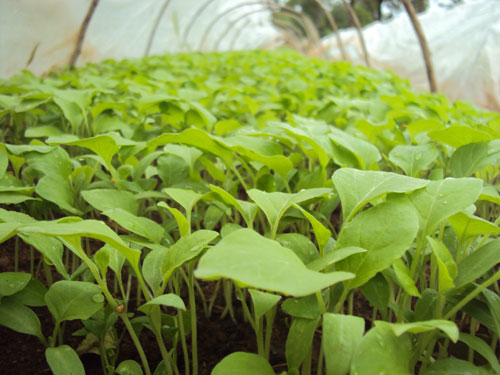
2021-06-10T12:56:05+02:00By |Seedlings|

Seedling susceptibility to various climate conditions is important to growers, especially those wanting to venture into new crops. We all know that microclimate is crucial to seedling growth and time to maturity. I think climate is one of the most important aspects that has to be considered when deciding to [...]

Manganese levels in nutrient solution do not influence tomato growth

2015-02-22T15:33:05+02:00By |Micro nutrients, Tomatoes|

The concentration of manganese (Mn) can vary significantly in re-circulating nutrient solutions. Crop uptake of manganese cannot be explained to this high variation and the only explanation is manganese oxidising bacteria or variation of pH of the nutrient solution. It is actually a combination of both manganese oxidising bacteria and [...]

Heating nutrient solution increases growth rate of tomatoes

2026-07-19T16:40:18+02:00By |Tomatoes|

Heating the nutrient solution in order to increase growth rate can provide growers an edge over competitors. This applies to all business categories. Heating up the nutrient solution can be complicated and expensive and that is where the competitive edge is. Not every grower has the ability to implement the technology [...]

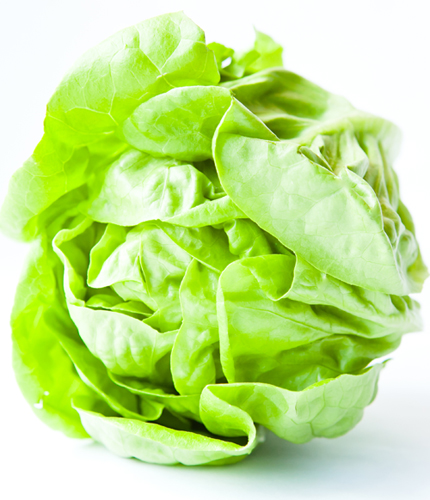
How to predict when lettuce are ready for harvest

2014-11-01T10:02:40+02:00By |Lettuce|

Lets face it, lettuce is one of the fastest growing crops from transplanting to maturity. What makes it even more crucial is that the whole plant is harvested, unlike parsley or tomatoes where the harvest period can be extended. The great advantage is that more than one crop can be [...]

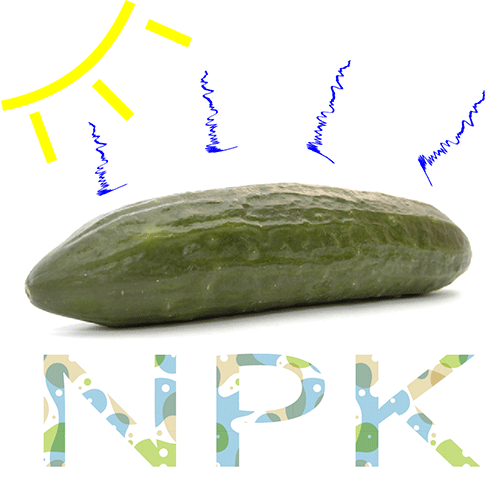
Nutrient uptake of cucumbers depends on light intensity and air temperature

2026-07-19T16:42:43+02:00By |Cucumbers|

When it comes to fertigation programmes or recipes, most commercial growers have a good indication of what is required. The nutrient program is either obtained from the fertilizer company or it is a tried and tested custom mix. Quite often what these recipes do not indicate or provide, is the [...]

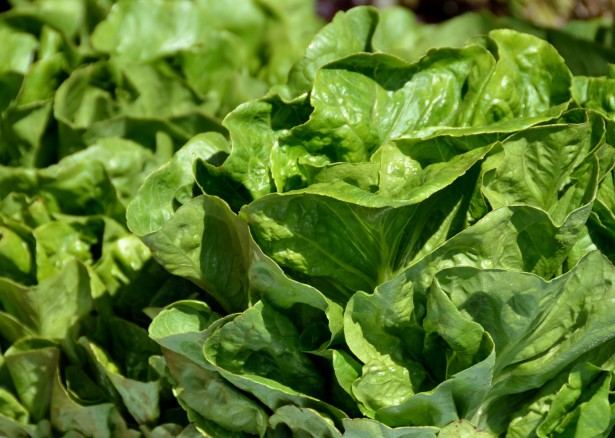
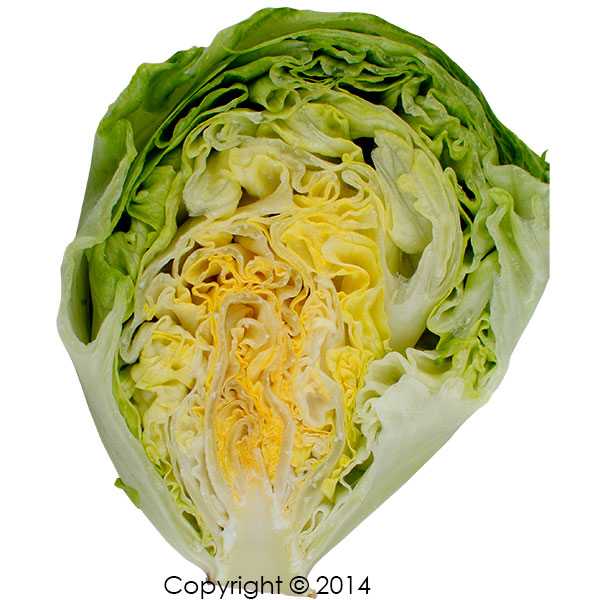
How to get good iceberg lettuce head development

2014-10-31T16:57:18+02:00By |Lettuce|

An iceberg lettuce head that is solid will always sell. Just watch people buying lettuce, they always feel the compactness of the heads first and then look at the size.  Compactness first then size.  Getting a good iceberg lettuce with good head formation starts with a variety first for the [...]

Go to Top